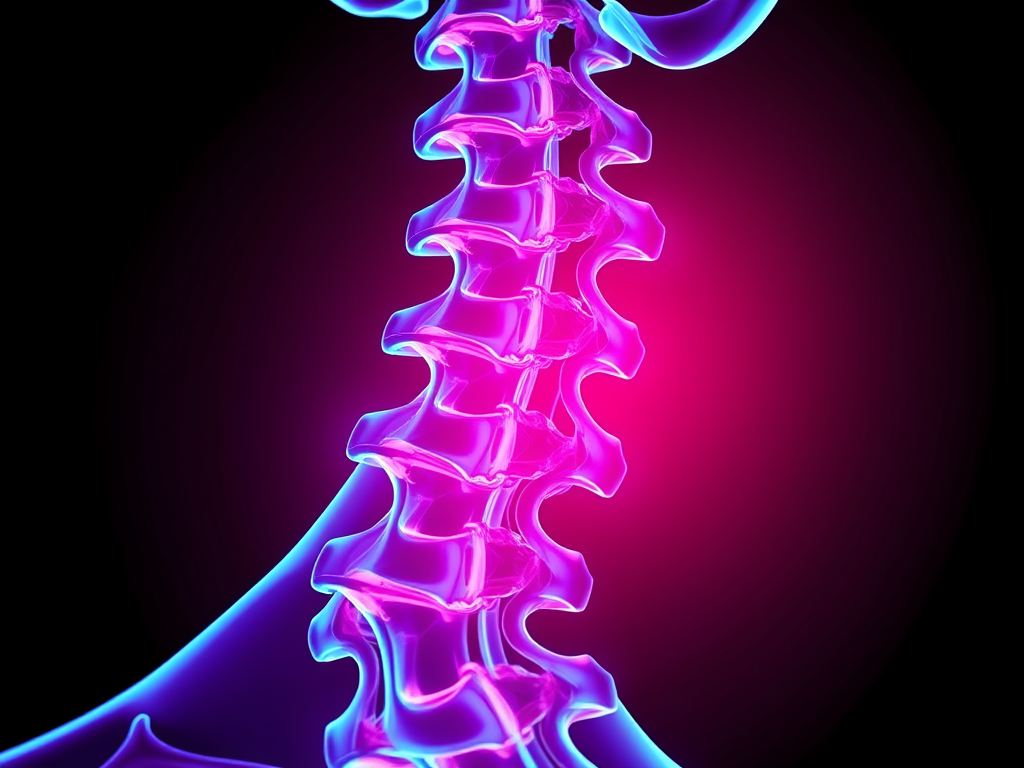
Epidural spinal-cord stimulation (EES) involves surgically placing an electrode array in the epidural space (on or just above the surface of the spinal cord) and applying electrical pulses to modulate the circuits below a spinal injury.
Goal: To increase the excitability of spinal circuits, enable or enhance volitional motor functions (standing, stepping), improve autonomic/spinal reflex functions (bladder, bowel, cardiovascular) and reduce complications like spasticity. Mechanisms (hypothesised): EES may recruit dorsal-root afferent fibers, thereby activating central pattern generators (CPGs) in the lumbar spinal cord, enabling stepping/standing even when descending (brain → cord) input is severely damaged. It may reorganize interneuronal circuits and propriospinal pathways—creating alternate routes for supraspinal commands to reach motor neurons. By raising baseline excitability, residual descending or sensory input below the lesion may become functionally effective.
A recent systematic review found that in 64 studies involving ~306 human patients with chronic SCI, the following improvements were observed with EES + rehabilitation: ~44% achieved assisted or independent stepping/standing. ~87% showed enhanced muscle activity (EMG changes). ~65% improved walking speed; ~80% improved overground walking in those who had it. Autonomous functions improved: bladder, sexual, bowel, airway pressure improvements were reported. Motor-function case series: A paper in the Journal of NeuroEngineering & Rehabilitation (2023) reported that in sensorimotor complete SCI participants, EES restored muscle synergies by changing “neural drives” (i.e., patterns of muscle activation) thus enabling better coordination. Autonomic / voiding & spasticity: Several smaller series show improvements in bladder voiding efficiency, reductions in spasticity when EES is applied. Safety: Reported complications are relatively infrequent but include device migration, hardware failure, infection, and autonomic dysreflexia.
 Medscope by gaurang
Leave a comment