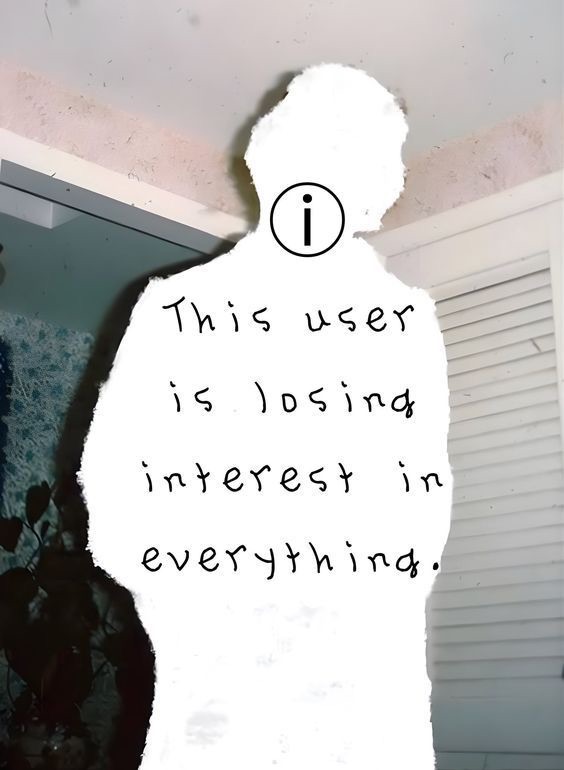
Depression is often misunderstood as sadness, but it is much deeper. It affects emotions, body, motivation, and even the sense of identity. People with depression often feel disconnected from themselves and the world.
What Depression Looks Like?
• Loss of interest in activities once enjoyed
• Feeling empty, numb, or hopeless
• Sleeping too much or too little
• Overthinking and guilt
• Tiredness and low energy
• Eating more or less than usual
• Feeling like nothing matters anymore
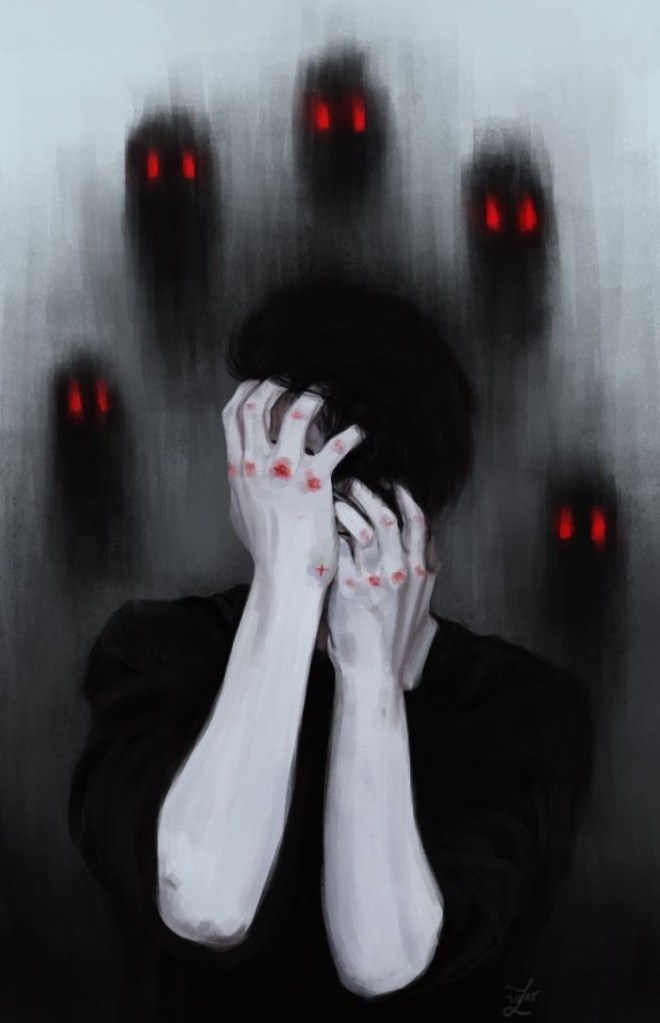
Why People Hide Depression:
• They fear being judged
• They think they should “handle it on their own”
• They don’t want to worry their family
• Cultural stigma
• Lack of awareness about therapy
What Depression Is NOT:
• It is not attention-seeking
• It is not laziness
• It is not a mood that can be controlled by “positive thinking”
• It is not a personal failure
How We Can Support People with Depression:
• Check on them regularly
• Offer a safe space to talk
• Encourage professional help gently
• Avoid toxic positivity
• Help them with small tasks
• Celebrate small progress
• Be patient—healing takes time
Depression is often described as a storm that happens inside the mind—quiet to the world, loud to the person experiencing it. It does not always appear as tears or visible sadness; sometimes it looks like tired smiles, cancelled plans, or a person trying their best to “act normal” while fighting battles no one sees.
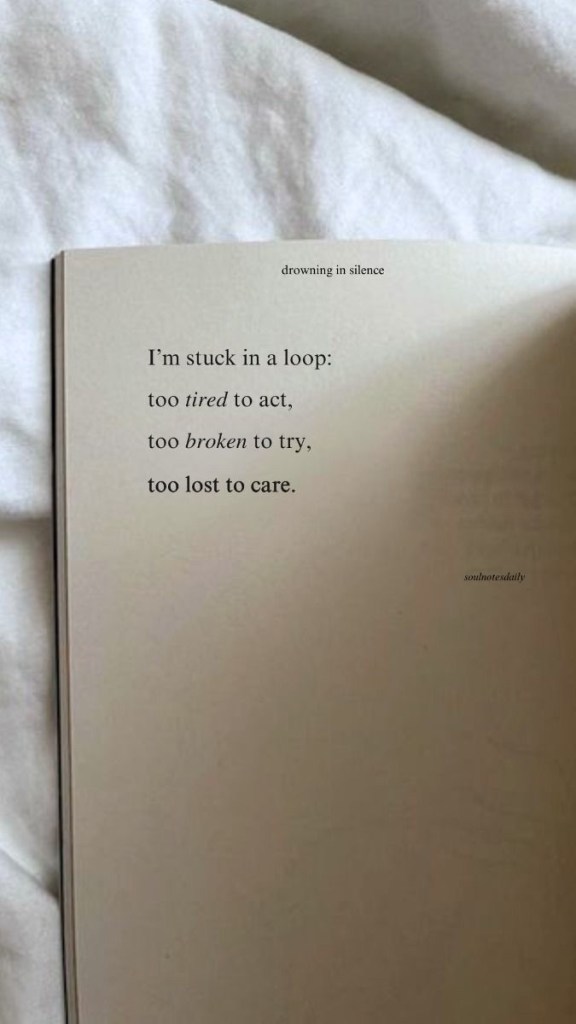
If you or someone you know is dealing with depression, remember this: depression is not weakness, and seeking help is not a sign of failure—it is an act of courage. Healing is not a straight line. Some days will feel heavy, but even on the darkest days, hope has a way of returning when you give yourself patience, love, and support.
You deserve understanding.
You deserve help.
You deserve to heal.
And no matter how isolating depression feels, you are not alone—not today, not ever.
As an MBBS student at KIMS, I have seen how deeply depression affects individuals—not just medically but emotionally, socially, and spiritually. Depression doesn’t always appear in textbooks the way it appears in real life. In real life, it hides behind silence, behind “I’m okay,” and behind people who look strong but are hurting inside.
Writing this blog mattered to me because mental health is often whispered about, avoided, or misunderstood. But I believe that the first step toward healing is talking openly, without judgment or shame. If these words help even one person feel understood or encourage someone to seek help, then this effort means something.
During my own journey as a medical student, books have been loyal friends—quiet, wise, and always available. Whether I needed knowledge or comfort, they never disappointed. I truly believe that books can be healers, too. So here are a few I recommend for anyone trying to understand depression or support a loved one:
• Reasons to Stay Alive – Matt Haig
• The Noonday Demon – Andrew Solomon
• Feeling Good: The New Mood Therapy – Dr. David D. Burns
• Lost Connections – Johann Hari

May these books bring clarity, comfort, and courage.
Remember:
Your story matters.
Your feelings matter.
And healing is always possible.
— Gaurang Rai
MBBS Student, KIMS
Instagram- https://www.instagram.com/gaurrang?igsh=a3Bqanlva2VqY3Zw
 Medscope by gaurang
Leave a comment