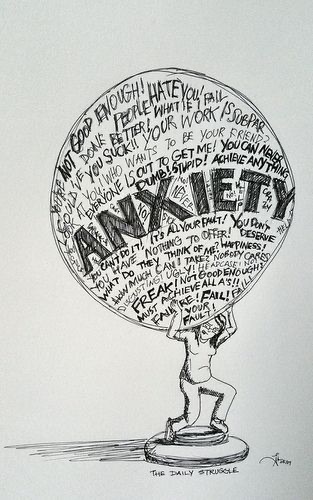
Anxiety is one of the most common mental-health issues, yet remains invisible to most people. It can look like a normal life from the outside, but inside, the person is fighting constant thoughts, fears, and overthinking.

What Anxiety Really Feels Like?
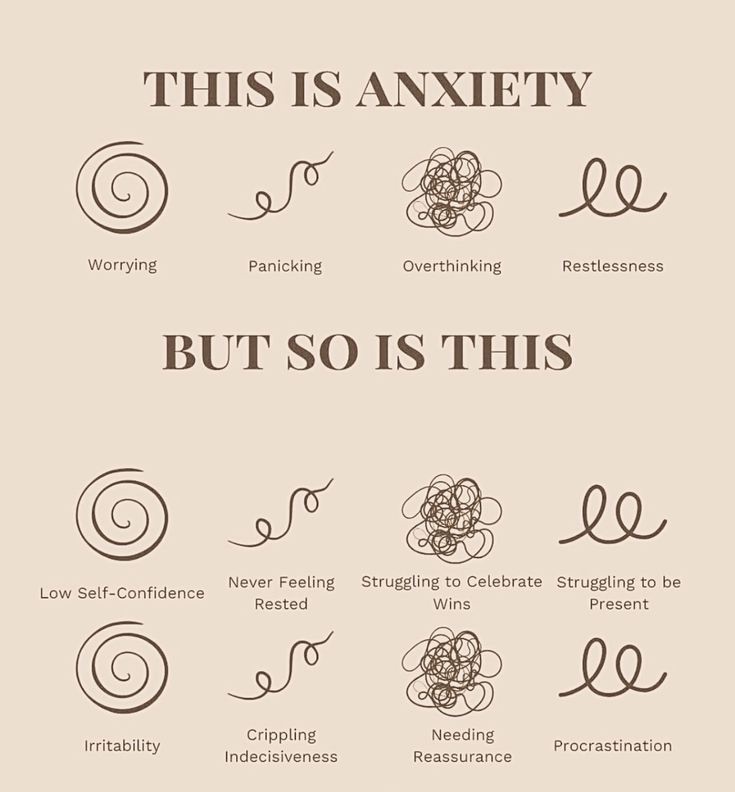
People with anxiety often experience:
• A fast or pounding heartbeat
• Sweaty palms
• Constant “what-if” thoughts
• Fear of embarrassment or failure
• Difficulty sleeping
• Feeling tense even in safe situations
They might appear calm, but their mind is racing.
Types of Anxiety:
• General Anxiety Disorder (GAD): constant worry about daily life
• Social Anxiety: fear of judgement or crowds
• Panic Disorder: sudden panic attacks
• Health Anxiety: worrying constantly about illness
Why Anxiety Is Increasing Today?
• Social media pressure
• Academic and job stress
• Constant comparison
• Fear of failure
• Uncertain future
• Lack of rest and nature time
How to Support Someone with Anxiety
• Listen without judgement
• Use supportive phrases like “I’m here for you”
• Avoid saying “Don’t worry” or “Calm down”
• Encourage small steps
• Help them breathe and stay grounded
• Respect their need for space
Helpful Management Technique :
• Deep breathing exercises
• Therapy
• Mindfulness
• Reducing caffeine
• Journaling
• Exercise
• Limiting screen time
Conclusion (Living with the Invisible Storm):
Anxiety is often misunderstood as “overthinking,” but for those who experience it, anxiety feels like a wave that rises without warning—fast heartbeat, racing thoughts, and a mind that refuses to rest. It sneaks into ordinary moments, turns small tasks into challenges, and makes simple decisions feel overwhelming.

But here’s the truth we forget:
Anxiety doesn’t make you weak—it makes you human.
Every person you admire, every friend you trust, every stranger walking confidently… many of them have fought silent anxiety battles you will never know about. And yet they stand, they try, they move forward. That is strength.
Healing begins when you stop blaming yourself and start understanding yourself. When you choose self-kindness over self-criticism. When you realise that the mind can learn, unlearn, and grow.
If anxiety makes your world feel chaotic, remember—there is still peace waiting for you, patiently. You simply need to walk toward it, slowly, gently, one breath at a time.
You are doing better than you think.
And you are not alone in this journey.
Author’s Note — By Gaurang Rai, pursuing MBBS from KIMS
As an MBBS student at KIMS, I’ve seen how anxiety affects people in ways that aren’t always visible. Sometimes it shows up as trembling hands… sometimes as silence… sometimes as perfectionism… and sometimes as a smile that hides too much.
In medical school and in life, I’ve realised something important:
people with anxiety are often the ones who care the most, feel the most, and try the hardest.
They’re not “overreacting”—they’re overwhelmed.

I wrote this blog because too many people are suffering quietly, thinking they should “handle it alone.” But you don’t have to.
Opening up, seeking help, practising grounding techniques, and understanding your triggers—these steps can change lives.
During the toughest phases of my studies, books have been my constant companions. They don’t interrupt, they don’t judge—they simply offer knowledge, comfort, and perspective. And sometimes, that’s all a person needs.
Here are a few books I recommend for understanding and managing:
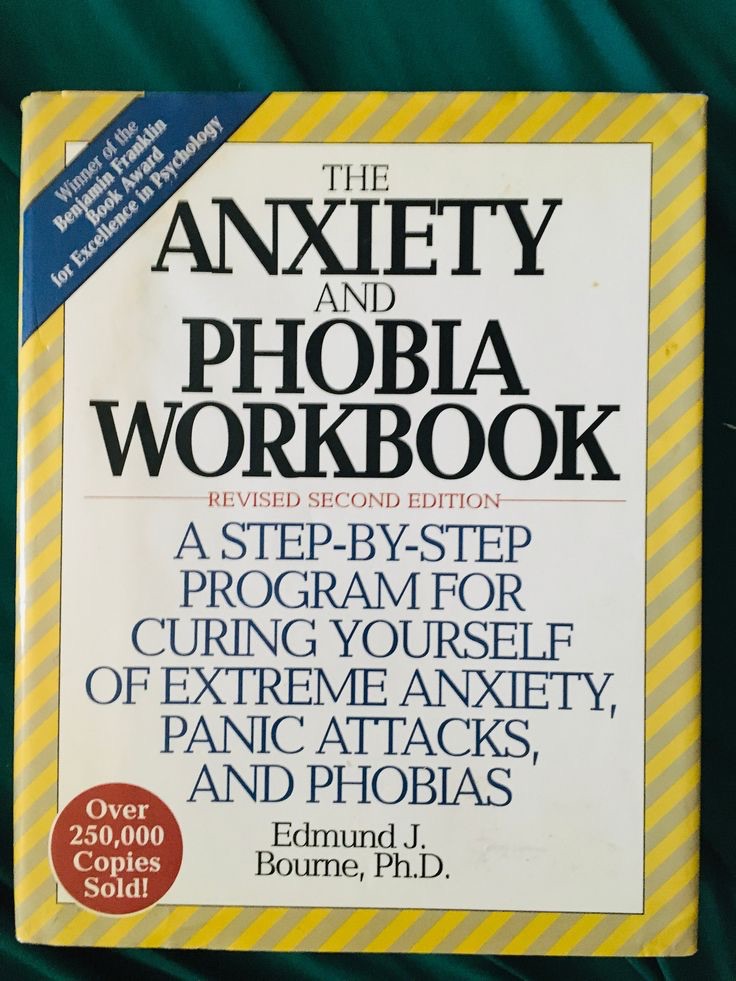
• The Anxiety and Phobia Workbook – Edmund J. Bourne
• The Untethered Soul – Michael A. Singer
• First, We Make the Beast Beautiful – Sarah Wilson
• Declutter Your Mind – S.J. Scott & Barrie Davenport
These books are gentle, honest, and deeply reassuring—they remind you that the mind can find peace again.



Remember:
Anxiety may visit your life, but it does not define your life.You are stronger, braver, and far more capable than your fears.
— Gaurang Rai
MBBS Student, KIMS
 Medscope by gaurang
Leave a comment