
Being a student today is not as simple as it once seemed. Beyond classrooms and textbooks, students carry invisible pressures: academic expectations, fear of failure, competition, social comparison, family hopes, and uncertainty about the future. While education shapes careers, mental health shapes lives.
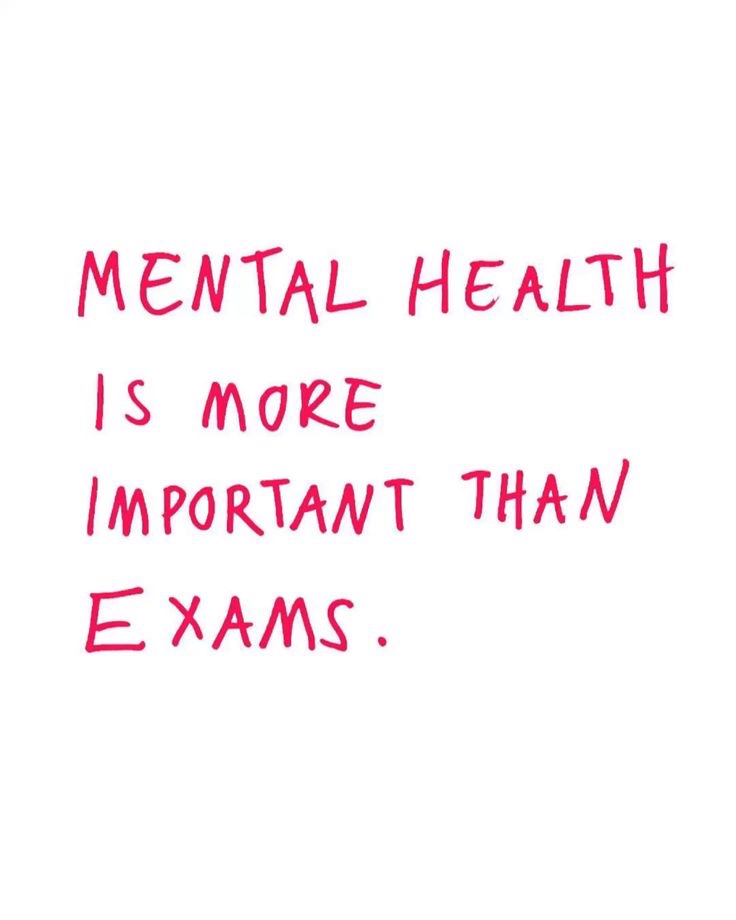
The Reality Students Live With:
Students are expected to excel in exams, remain disciplined, plan their future early, and still appear confident and happy. Many feel that falling behind academically means falling behind in life. This constant pressure can slowly affect mental well-being.
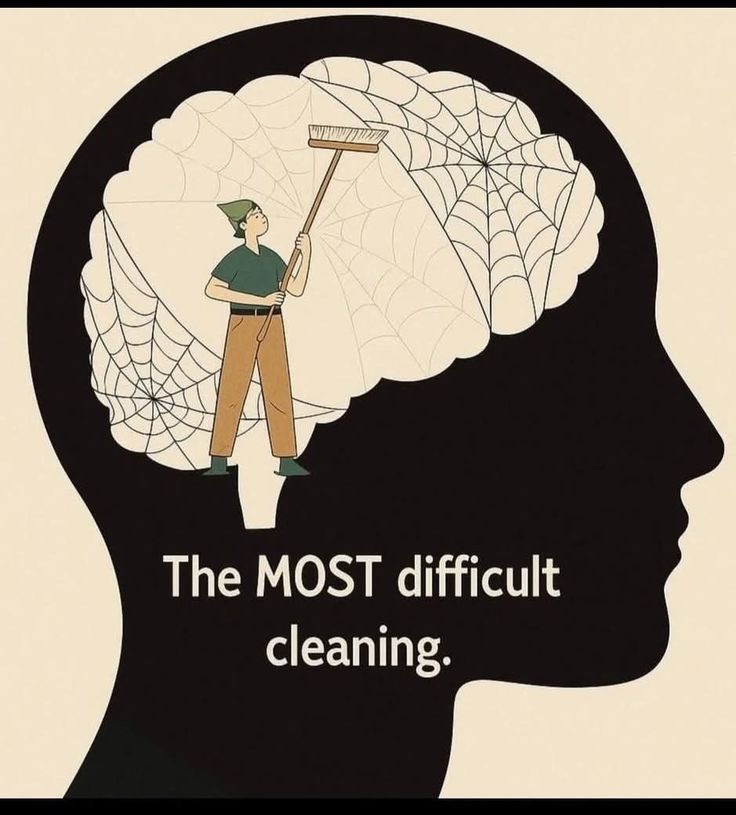
Common struggles among students include:
• Anxiety before exams and results
• Fear of disappointing parents
• Low self-esteem
• Burnout from continuous studying
• Sleep deprivation
• Loneliness and isolation
• Depression and emotional numbness
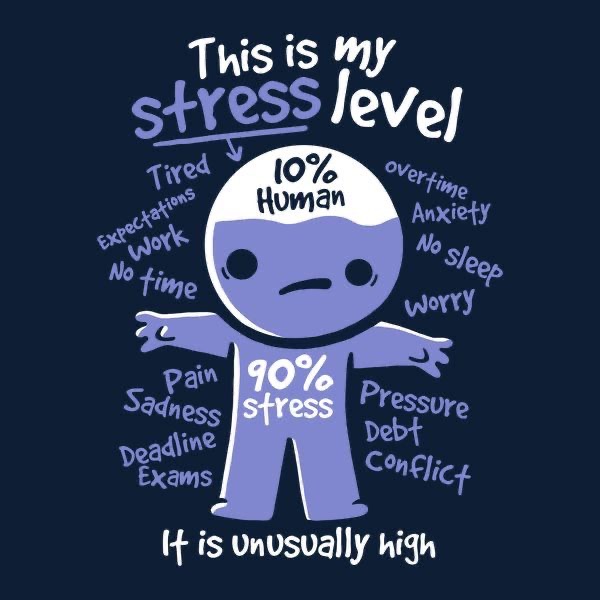
Why Students Don’t Speak Up?
• Fear of being labelled “weak”
• Belief that others have it worse
• Pressure to stay strong
• Lack of access to counsellors
• Parents focusing more on marks than emotions
As a result, many students suffer silently.
Signs a Student May Be Struggling:
• Sudden change in academic performance
• Withdrawal from friends and activities
• Irritability or frequent mood swings
• Constant fatigue
• Loss of interest in hobbies
• Saying things like “I’m tired of everything”
These signs should never be ignored.

What Students Need Most?
• Emotional support, not constant comparison
• Safe spaces to express feelings
• Understanding adults and teachers
• Balanced expectations
• Rest, not just routine
Mental health support at a young age prevents bigger struggles later in life.
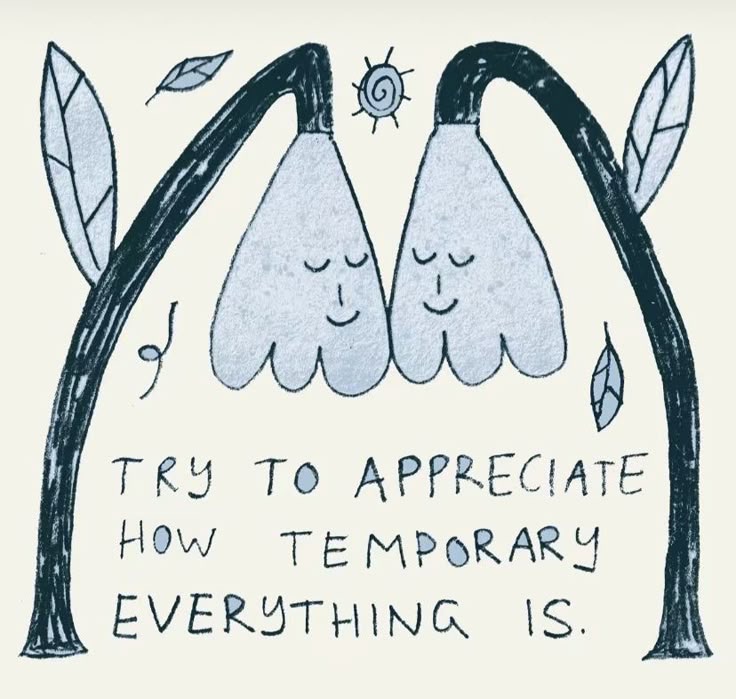
Conclusion:
Students are not machines designed only to score marks; they are individuals with emotions, dreams, and vulnerabilities. A healthy mind is the foundation of true success. When we listen to students instead of pressuring them, we help them grow into confident, resilient adults.
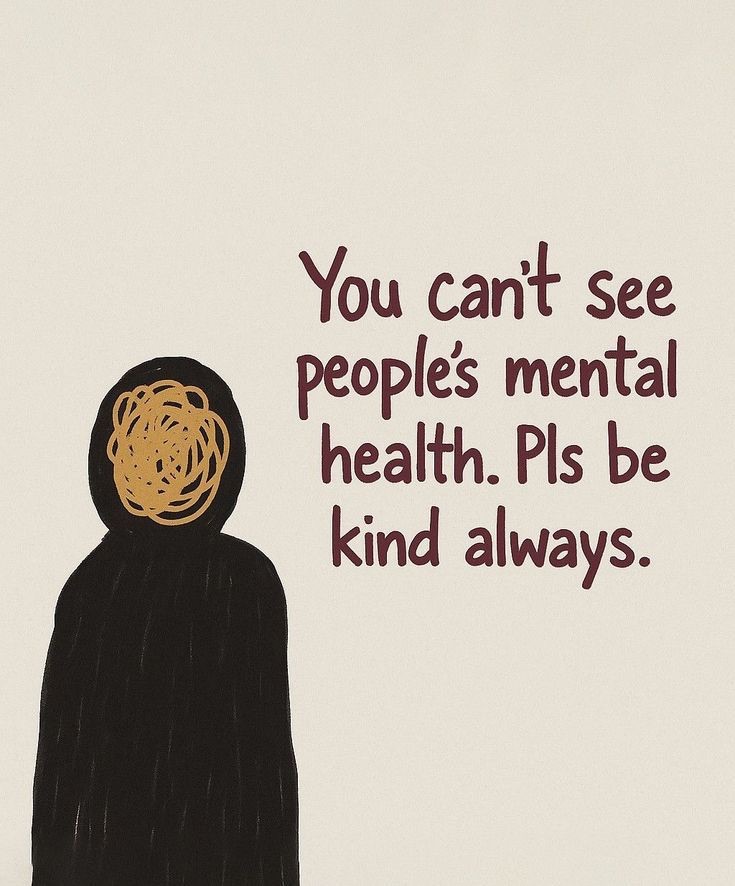
As an MBBS student at KIMS, I have personally experienced academic pressure and witnessed how deeply it affects students’ mental health. Medicine has taught me that intelligence alone is never enough—emotional well-being is just as important.
Many students don’t fail because they lack ability; they struggle because they lack support. Writing this blog is my attempt to remind students that their worth is not defined by grades, and asking for help is not a weakness.
Books have been my quiet companions during long study nights, exam stress, and self-doubt. I hope the books suggested here offer students comfort, guidance, and reassurance.
These are “handbook” style reads that provide cognitive and emotional strategies to handle burnout, perfectionism, and exam stress.
• “Why Has Nobody Told Me This Before?” by Dr. Julie Smith

A highly accessible guide that breaks down therapy-based tools into short chapters on managing anxiety, stress, and low mood.
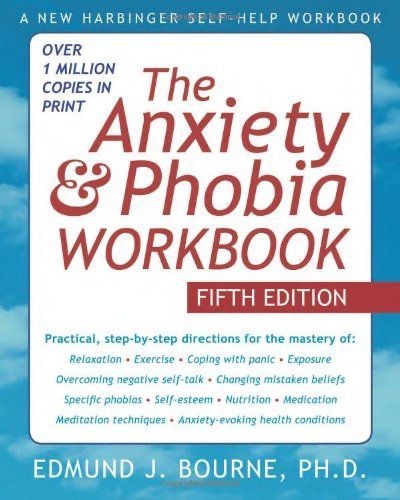
• “The Anxiety and Phobia Workbook” by Edmund J. Bourne
A classic for students struggling with physiological symptoms of stress, offering breathing techniques and cognitive restructuring.
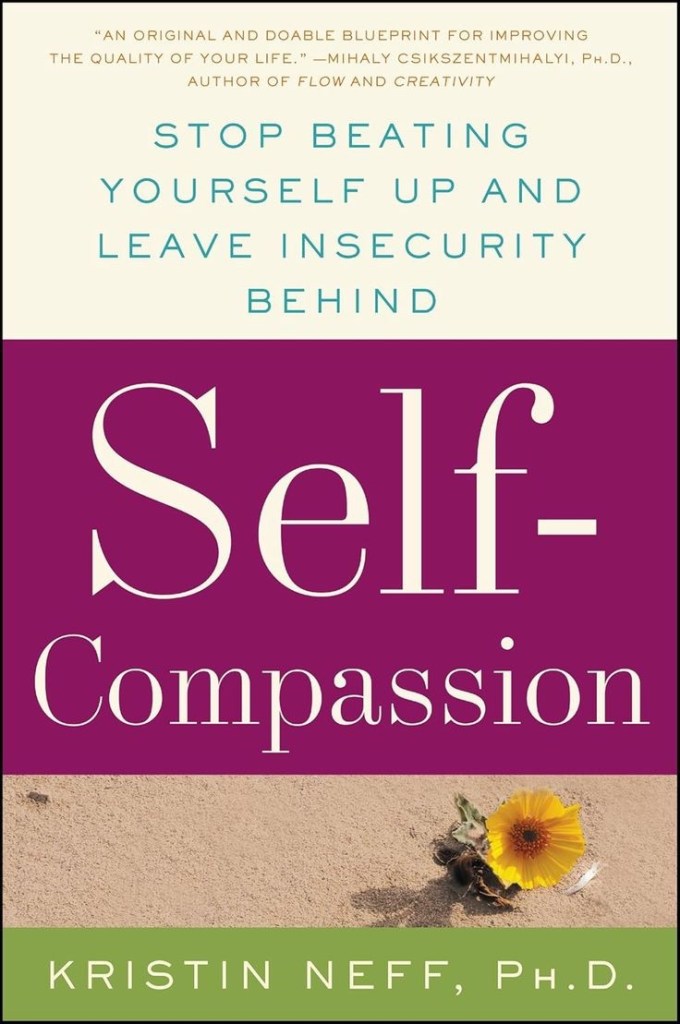
• “Self-Compassion” by Dr. Kristin Neff
Crucial for high-achievers who are their own harshest critics. It teaches how to be kind to oneself during academic setbacks.
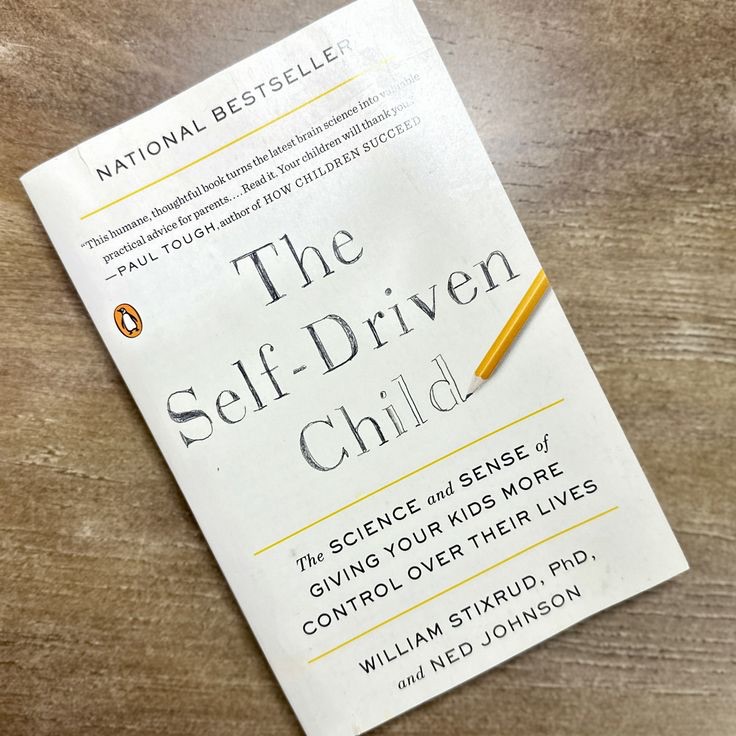
• “The Self-Driven Child” by William Stixrud & Ned Johnson
Focuses on giving students a sense of control over their lives, which is a major antidote to stress.
You matter beyond your marks.
Your mental health comes first.
— Gaurang Rai
MBBS Student, KIMS
Instagram: https://www.instagram.com/gaurrang?igsh=MXg0Z2J0a2hpbnl4Zg==
 Medscope by gaurang
Leave a comment